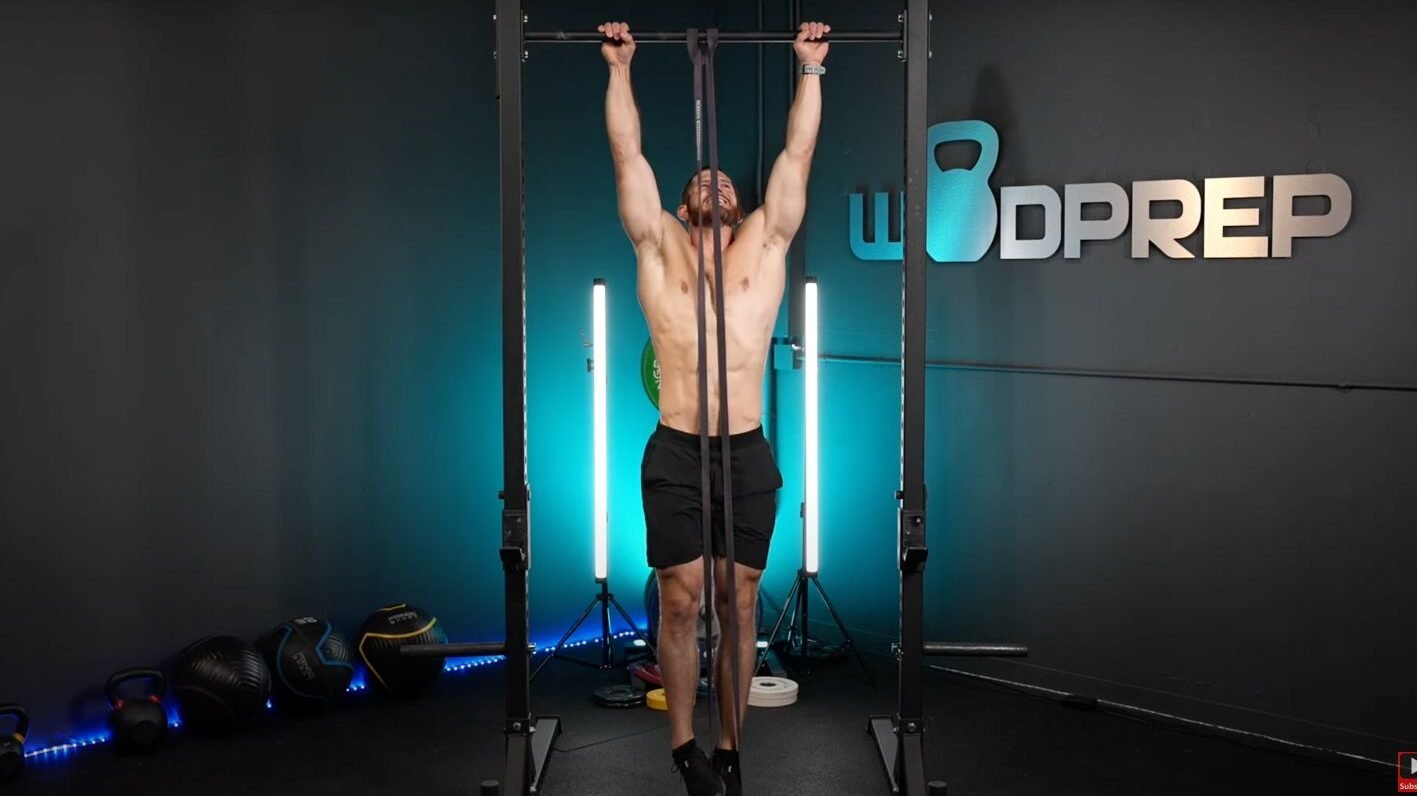
For many beginners, the pull-up is one of the hardest bodyweight exercises to master. It requires significant upper-body, core, and grip strength, which can feel overwhelming at first. This is where pull-up assist bands become a game-changer. They allow beginners to train effectively, build confidence, and gradually work toward their very first unassisted pull-up.
What Are Pull-Up Assist Bands?
Pull-up assist bands are looped elastic bands that attach to a pull-up bar. When you place your foot or knee into the band, it provides upward assistance as you pull yourself up. These bands are often called pull-up resistance bands because they use elastic resistance to support your movement.
The level of assistance depends on the thickness of the band. Thicker bands stretch more and provide greater help, while thinner bands offer less assistance. This makes them perfect for beginners who need extra support at the start.
Making Pull-Ups More Accessible for Beginners
One of the biggest challenges beginners face is lifting their full body weight. Pull-up assist bands reduce the effective weight you need to lift, making the exercise more manageable. Instead of struggling or failing mid-movement, beginners can complete full pull-ups with proper form.
This controlled assistance allows new trainees to experience what a correct pull-up feels like. Over time, muscles adapt, strength increases, and confidence grows.
Building Strength with Progressive Assistance
A major advantage of pull-up resistance bands is progressive training. Beginners can start with a heavy band that offers strong assistance. As strength improves, they can switch to lighter bands that provide less help.
This gradual reduction in support is an example of pull up resist, where resistance changes as your ability improves. It helps muscles develop naturally without sudden overload, reducing the risk of injury or burnout.
Improving Technique and Muscle Engagement
Using pull-up assist bands helps beginners focus on proper technique rather than just surviving the movement. With assistance at the bottom of the pull-up, users can engage their back, shoulders, and arms correctly.
As the band stretches less near the top, the body must do more work. This balance of support and effort ensures that muscles are fully engaged throughout the exercise, which is key for long-term progress.
Boosting Confidence and Motivation
For beginners, being able to complete a pull-up—even with assistance—is a huge confidence booster. Instead of feeling discouraged, users experience success early in their training journey. This motivation encourages consistency, which is essential for building strength.
Understanding how pull up resist works also gives beginners control over their workouts. They can adjust resistance levels to match their current ability, making training feel achievable rather than intimidating.
Conclusion
Pull-up assist bands are one of the most effective tools for beginners aiming to achieve their first pull-up. By reducing body weight, improving form, and allowing gradual progression, pull-up resistance bands make pull-ups accessible to everyone. With consistent use and proper technique, beginners can steadily reduce assistance and eventually perform confident, unassisted pull-ups.