Introduction: The Allure of the Handmade in a Digital Age
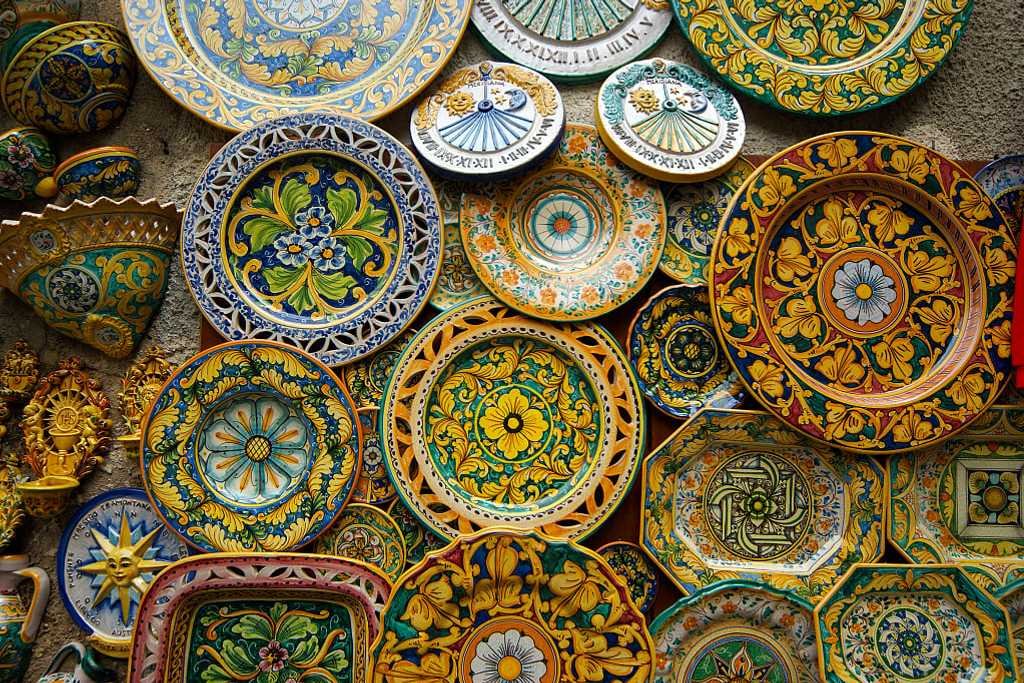
In a world dominated by screens, algorithms, and mass-produced goods, a quiet but powerful revolution is taking place. From the rhythmic hum of a pottery wheel to the methodical click of a loom and the fiery dance of molten glass, ancient crafts are experiencing a remarkable resurgence. Workshops are fully booked, online craft communities are flourishing, and a new generation is eagerly embracing the tactile satisfaction of creating with their hands.
This is not merely a nostalgic trend. The renaissance of craft arts like pottery, weaving, and glassblowing is a profound cultural response to the conditions of modern life. It represents a collective yearning for authenticity, mindfulness, and human connection in an increasingly virtual and automated world. This article will explore the key drivers behind this craft revival, arguing that it is a meaningful movement where people are seeking not just objects, but purpose, community, and a tangible link to humanity’s deepest creative impulses.
The Digital Backlash: Craving Tangibility and Authenticity
Our daily existence is more digital than ever. We work on computers, socialize through screens, and consume endless streams of disembodied content. This shift, while offering immense convenience, has created a palpable sense of lack—a hunger for something real, solid, and imperfect.
The Desire for the Tactile
Human beings are sensory creatures. We are wired to learn and connect through touch. Craft arts fulfill this fundamental need for tactile engagement. The feeling of cool, malleable clay yielding to your fingertips; the texture of fibrous yarn being woven into fabric; the intense heat of the glassblowing studio—these are experiences that engage the senses wholly and immersively. They provide a grounding counterbalance to the flat, two-dimensional nature of digital interfaces. In a phrase often echoed in maker communities, working with your hands “gets you out of your head and into your body,” offering a form of therapy that a screen cannot provide.
The Cult of the Imperfect and the Unique
In opposition to the sterile, flawless uniformity of factory-made products, craft objects celebrate their imperfections. A slight asymmetry in a mug, a variation in glaze color, or the subtle irregularities in a handwoven textile are not flaws; they are marks of the maker’s hand, a signature of authenticity. These “perfect imperfections” (or wabi-sabi as it’s known in Japanese aesthetics) tell a story. They prove the object was made by a human, not a machine. In an age of mass production, owning something unique, with a narrative and a soul, carries new and significant value. It is a conscious rejection of the anonymous and the generic.
The Wellness Connection: Craft as Mindfulness and Mental Health
Beyond the physical object, the process of crafting is being recognized for its immense benefits to mental and emotional well-being. In many ways, the workshop has become the new wellness sanctuary.
The “Flow State” in Practice
Psychologist Mihaly Csikszentmihalyi coined the term “flow” to describe a state of complete immersion and focused concentration in an activity. Craft arts are unparalleled catalysts for achieving this state. The focused attention required to center clay on a wheel, to follow a complex weaving pattern, or to shape molten glass demands presence. It forces the mind to quiet its constant chatter, anxieties about the past and future fade away, and one becomes entirely absorbed in the present moment. This meditative quality provides a much-needed respite from the multitasking and constant notifications of modern life, reducing stress and fostering mental clarity.
Agency and Accomplishment in an Abstract World
Many modern jobs are abstract—managing spreadsheets, sending emails, creating digital assets. The outcomes can be intangible and hard to measure. Craft offers a powerful antidote: a clear and tangible sense of accomplishment. There is a profound satisfaction in transforming a lump of clay into a functional vessel or a skein of yarn into a warm scarf. This process provides a direct, visceral line from effort to outcome, boosting self-efficacy and providing a deep sense of pride and purpose that is often missing in other areas of life.
Community and Connection: The New Maker Culture
The craft renaissance is not happening in isolation. It is a deeply social movement, fueled by both online and in-person communities that offer support, inspiration, and a sense of belonging.
The Rise of the Accessible Workshop
Unlike the secretive guilds of the past, today’s craft communities are built on sharing. Local studios, maker spaces, and community colleges offer affordable introductory classes, lowering the barrier to entry. These workshops are not just places to learn a skill; they are social hubs where people connect, share stories, and support each other’s creative journeys. The collective experience of learning and creating fosters a powerful sense of camaraderie and shared purpose.
Digital Platforms as Global Marketplaces and Classrooms
The internet, often blamed for our disconnection, has been a crucial engine for the craft revival. Platforms like Instagram and Pinterest serve as endless sources of inspiration, allowing makers to showcase their work and see what’s possible. Etsy and other online marketplaces have empowered artisans to turn their passion into a viable livelihood, reaching a global audience directly. Furthermore, YouTube and Skillshare host countless tutorials, making knowledge that was once hard to access available to anyone with an internet connection. This digital ecosystem has created a virtuous cycle where inspiration, education, and commerce fuel the growth of the craft community.
Sustainability and Conscious Consumption
As awareness grows about the environmental and ethical costs of fast fashion and disposable consumer culture, many are turning to craft as a more sustainable alternative.
The Slow Fashion and “Make Do and Mend” Movement
The weaving, knitting, and textile arts revival is directly tied to the slow fashion movement. People are investing time in creating their own clothing or mending existing items, rejecting the cycle of trendy, poorly made garments that end up in landfills. This mindset champions quality over quantity, valuing well-made, durable items that carry personal significance.
Localism and Knowing the Source
Buying a pot from a local ceramicist or a vase from a neighborhood glassblower means supporting a local economy and reducing the carbon footprint associated with long-distance shipping. More importantly, it reestablishes a connection between consumer and creator. Knowing who made your bowl, understanding their process, and appreciating the skill involved fosters a deeper respect for the objects we live with, encouraging us to value them for years to come.
Conclusion: Not a Trend, But a Timeless Return
The renaissance of pottery, weaving, glassblowin and other craft arts is far more than a passing aesthetic trend. It is a meaningful cultural correction. It is a collective reaching for something essential that has been lost in the rush toward efficiency and digitization: a connection to material, to process, to community, and to our own humanity.
These crafts remind us that true value often lies in the time, intention, and skill invested in creation. They offer a sanctuary of mindfulness in a chaotic world, a testament to authenticity in a world of copies, and a forge for community in an era of isolation. This revival suggests a future where the digital and the handmade coexist not in opposition, but in balance—where we use technology to enhance our lives while still making space to create, with our own hands, objects of meaning and beauty. The fire in the glassblowing studio, the clay on the wheel, and the thread on the loom are not relics of the past; they are vital, vibrant signs of a future being shaped by hand.