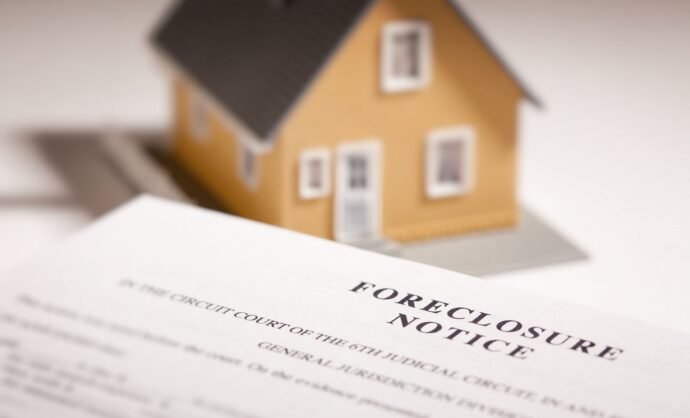
Facing foreclosure can be one of the most stressful experiences a homeowner ever goes through. In California, where property values are high and mortgage payments can be substantial, even a few missed payments can trigger serious consequences. Understanding how foreclosure works, what rights you have, and what options are available to you can make a huge difference in how you handle the situation. This guide breaks down everything you need to know in simple terms so you can make informed decisions and protect your financial future.
What Is Foreclosure
Foreclosure is the legal process through which a lender takes possession of a property when the homeowner fails to make mortgage payments. It allows the lender to recover the amount owed by selling the home. The process begins after several missed payments, but in most cases, there is time to take action before losing the property completely.
In California, the most common type of foreclosure is called a non-judicial foreclosure, which means it happens outside the court system. This process is faster and less expensive for lenders, but it also means homeowners need to act quickly once the process starts.
The Foreclosure Timeline in California
The timeline of a foreclosure in California typically follows several key steps. Each step has specific legal requirements and deadlines that both lenders and homeowners must follow. Understanding this timeline can help you respond effectively before the situation escalates.
First, the lender sends a Notice of Default after 90 days of missed payments. This notice informs you that you are behind on your mortgage and gives you 90 days to catch up. If the missed payments, interest, and penalties are not paid within that period, the lender then issues a Notice of Trustee Sale, which schedules the home for auction in 21 days.
In total, the process can take as little as four months from the first missed payment to the actual sale. However, certain factors such as loan type, communication with the lender, or legal intervention can delay or stop the process temporarily.
Why Homeowners Face Foreclosure
People often assume foreclosure happens only when someone mismanages their finances, but that is rarely the full story. Many homeowners in California face foreclosure due to unexpected life events such as job loss, medical emergencies, or divorce. Rising living costs, adjustable-rate mortgage increases, or natural disasters can also make it difficult to keep up with payments.
Even responsible homeowners can face foreclosure if their financial situation changes suddenly. Recognizing the warning signs early gives you more options to prevent or slow down the process.
How Foreclosure Affects Your Credit and Finances
A foreclosure has a major impact on your credit score and future borrowing ability. Once reported, it can lower your credit score by 100 to 160 points and remain on your credit history for up to seven years. This makes it harder to qualify for new loans, rent a home, or even secure certain jobs that review credit reports.
However, the damage is not permanent. With time, consistent payments on other debts, and responsible financial management, your credit can recover. Understanding the long-term effects helps you weigh whether selling your home or negotiating with your lender may be a better alternative.
Options to Avoid Foreclosure
The good news is that foreclosure does not happen overnight, and there are multiple ways to prevent it. The earlier you act, the more choices you have. Here are some of the most effective options available to California homeowners.
Loan Modification
A loan modification involves changing the terms of your mortgage to make payments more affordable. Lenders may agree to reduce your interest rate, extend the loan term, or temporarily pause payments. If approved, this can make it easier to catch up without losing your home.
Forbearance Agreement
A forbearance agreement allows you to temporarily reduce or suspend mortgage payments during financial hardship. Once your situation improves, you can resume regular payments or make a plan to repay the missed amounts. This option is ideal for homeowners dealing with temporary setbacks such as medical bills or short-term unemployment.
Repayment Plan
If you can start making regular payments again, your lender may offer a repayment plan to help you catch up on missed payments over several months. This spreads the overdue amount across future payments, making it easier to recover gradually.
Refinancing
If your credit and home value are still in good standing, refinancing your mortgage can provide relief. A new loan with better terms can replace the old one and lower your monthly payments. However, this option requires lender approval and may not be available once foreclosure proceedings begin.
Selling the Property
For homeowners who cannot keep up with payments, selling the property can be a practical solution. In California’s active real estate market, you may still be able to sell your home quickly and pay off your debt before foreclosure finalizes. Working with a cash home buyer can simplify this process since they purchase homes as is and close fast, often in just days.
Selling before foreclosure not only prevents credit damage but also gives you control over the process rather than waiting for the lender to auction the property.
The Role of a Notice of Default
The Notice of Default is the official warning that your loan is in trouble. Once filed, it becomes part of the public record. You still have 90 days to act, which means you can contact your lender, explore assistance programs, or sell the property. Ignoring this notice is one of the biggest mistakes homeowners make.
During this period, communication with your lender is crucial. Many lenders are willing to negotiate because foreclosure is expensive and time-consuming for them as well. Showing initiative demonstrates that you are serious about finding a solution.
The Trustee Sale and What It Means
If no resolution is reached during the default period, the lender schedules a Trustee Sale. At this point, the home is listed for auction, and potential buyers can place bids. The property is sold to the highest bidder, or it reverts to the lender if no one bids high enough.
Once the sale is complete, the homeowner must vacate the property. The lender or new owner may provide a short window for relocation, but legal eviction can follow if you remain after the deadline. Acting before this stage is critical because options become very limited afterward.
How to Stop or Delay Foreclosure in California
Stopping or delaying foreclosure often depends on timing and communication. If you act before the Trustee Sale, you have several potential strategies.
Filing for bankruptcy automatically pauses foreclosure through a legal process known as an automatic stay. This does not eliminate debt but gives you more time to negotiate with your lender or reorganize your finances. Another approach is applying for a loan modification or selling to a cash buyer. Each of these can halt the process temporarily while solutions are explored.
Consulting with a foreclosure attorney or housing counselor can also help. They understand California’s complex foreclosure laws and can guide you toward programs or legal actions that protect your home.
Understanding Deficiency Judgments
A deficiency judgment occurs when the sale price of a foreclosed home does not cover the full mortgage balance. In California, most residential loans are considered non-recourse, meaning lenders cannot pursue additional payment beyond the sale proceeds. However, certain loans such as refinanced mortgages may not qualify for this protection.
Knowing whether your loan is recourse or non-recourse helps you plan for potential financial obligations after foreclosure. Always confirm with your lender or legal advisor before assuming you are free from further liability.
California’s Homeowner Bill of Rights
California has implemented strong consumer protections through the Homeowner Bill of Rights. This law requires lenders to provide clear communication, prohibit dual tracking, and ensure fair treatment during the foreclosure process. Dual tracking refers to when a lender proceeds with foreclosure while also negotiating a loan modification, which is now illegal under California law.
The law also gives homeowners the right to appeal foreclosure decisions and request documentation proving the lender’s ownership of the loan. Familiarizing yourself with these rights can empower you to challenge unfair practices.
Emotional and Practical Impact of Foreclosure
Foreclosure is not just a financial event; it also affects your emotional well-being and stability. Losing a home can bring feelings of shame, anxiety, or guilt, especially when family members are involved. It is important to remember that foreclosure can happen to anyone and that recovery is possible.
Taking early action and seeking professional help can reduce stress and create a sense of control. Support groups and nonprofit housing organizations in California offer free counseling and emotional support for struggling homeowners.
Selling to Avoid Foreclosure
Selling your home before foreclosure completes is often one of the most practical solutions. When you sell for cash, you can close quickly, pay off the mortgage, and walk away without the stress of legal proceedings. Cash home buyers in California specialize in fast transactions, which can be completed in a week or less.
Unlike traditional buyers, they do not require repairs, inspections, or financing approval. This makes them a strong option for homeowners who need immediate relief. By selling early, you avoid foreclosure on your credit report and maintain more control over your next move.
Recovering After Foreclosure
If foreclosure is unavoidable, recovery is still possible. The first step is to stabilize your finances and focus on rebuilding credit. Paying bills on time, reducing debt, and maintaining steady income will gradually improve your credit score.
You may also consider renting for a few years before buying another home. Lenders typically require a waiting period after foreclosure, but consistent financial responsibility can shorten that time. Many homeowners eventually return to ownership with stronger financial foundations.
Final Thoughts on Foreclosure in California
Foreclosure can feel overwhelming, but understanding the process and your rights gives you power. In California, you have multiple opportunities to act before losing your home. From loan modifications and refinancing to selling for cash, the key is taking action early rather than waiting for notices to pile up.
Every situation is different, but the most successful homeowners are those who seek help, stay informed, and explore all available options. Whether you work with your lender, a housing counselor, or a cash home buyer, remember that you still have control over your financial future.