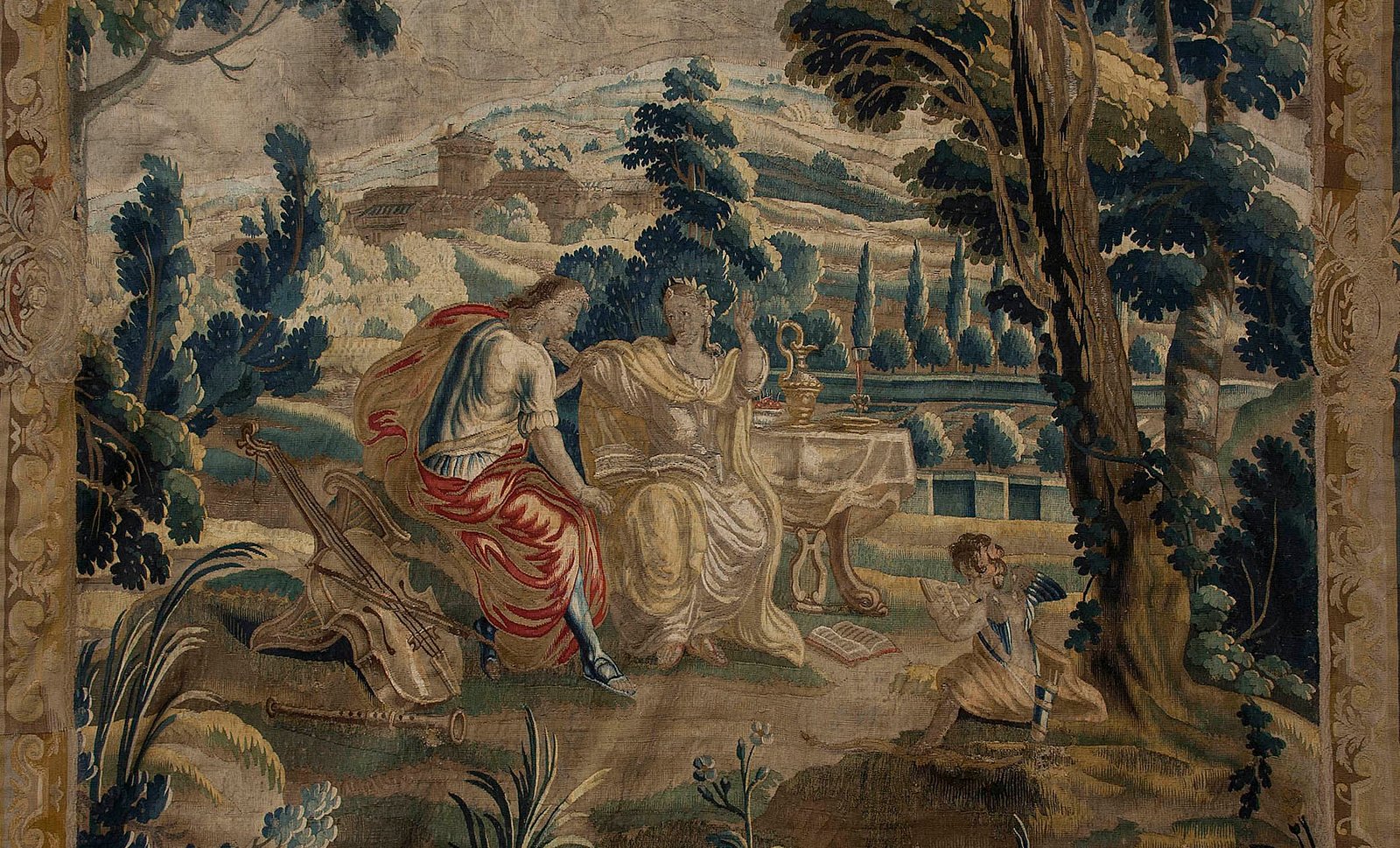
Europe, often referred to as the cradle of Western civilization, is a continent steeped in history, diversity, and cultural evolution. Spanning from the ancient empires of Greece and Rome to the modern-day democratic societies, European civilization has significantly influenced art, science, politics, philosophy, and architecture across the world. With over 40 countries and hundreds of ethnic groups, Europe’s culture is a dynamic blend of tradition, innovation, and timeless heritage.
Origins of European Civilization
European civilization traces its roots back thousands of years to the Neolithic period, when early humans began settling in communities and developing agriculture. However, it was the rise of the Greek city-states around 800 BCE that laid the intellectual and political foundations of Western society. Concepts such as democracy, philosophy, and classical art emerged here and were later adopted and expanded by the Roman Empire, which left behind enduring legacies in law, engineering, and urban planning.
After the fall of Rome, Europe entered the Medieval period, characterized by feudalism, the spread of Christianity, and the rise of monarchies. The Renaissance (14th–17th centuries), born in Italy, reignited interest in classical knowledge, art, and science, ushering in a golden age of cultural advancement.
Cultural Diversity Across the Continent
One of the most striking features of Europe is its cultural diversity within a relatively small geographic area. From the fjords of Norway to the vineyards of France, from the castles of Germany to the vibrant cities of Spain, each region has its own customs, languages, cuisines, and artistic traditions.
- Western Europe is known for its historical cities, Gothic architecture, and contributions to Enlightenment thought.
- Eastern Europe carries deep traditions rooted in Slavic, Orthodox, and Byzantine influences, reflected in its music, literature, and folk art.
- Southern Europe, especially Greece and Italy, is the birthplace of classical antiquity and renowned for its cuisine, fashion, and vibrant festivals.
- Northern Europe blends Viking heritage with modern innovation, emphasizing simplicity, design, and strong social values.
Art, Music, and Literature
European civilization has produced some of the world’s greatest artists and thinkers:
- Art: From Michelangelo and Leonardo da Vinci during the Renaissance to Van Gogh and Picasso in modern art, Europe has shaped the global art scene.
- Music: Europe gave rise to classical music with composers like Mozart, Beethoven, and Bach, and continues to influence global pop, rock, and electronic music.
- Literature: Literary giants such as Shakespeare, Cervantes, Dante, Tolstoy, and Kafka have shaped storytelling and philosophical discourse across centuries.
Religion and Philosophy
Religion has played a crucial role in shaping European identity. Christianity, especially Catholicism, Orthodoxy, and Protestantism, has influenced European politics, art, and daily life for over a millennium. Meanwhile, Jewish and Islamic cultures have also left deep marks, particularly in regions like Spain and the Balkans.
Europe has also been a hub for philosophical thought, from the teachings of Socrates and Plato to Enlightenment thinkers like Voltaire and Kant, and modern existentialists such as Sartre and Camus.
Modern Influence and Preservation
Today, Europe remains a cultural powerhouse. Cities like Paris, Berlin, Rome, and Prague blend modern life with historical preservation. Institutions like UNESCO have recognized numerous European sites as World Heritage landmarks. Museums, operas, theaters, and cultural festivals keep traditions alive while embracing innovation.
At the same time, Europe faces the challenge of preserving its rich heritage amidst globalization, migration, and technological change. Efforts to protect minority languages, traditional crafts, and historic sites reflect the continent’s deep respect for its cultural roots.
Conclusion
The civilization and culture of Europe are a mosaic of historical depth, artistic brilliance, and social evolution. Each nation, region, and community adds a unique thread to the continent’s vast cultural fabric. As Europe continues to grow and adapt in the 21st century, it remains firmly rooted in a legacy that has helped shape the modern world.