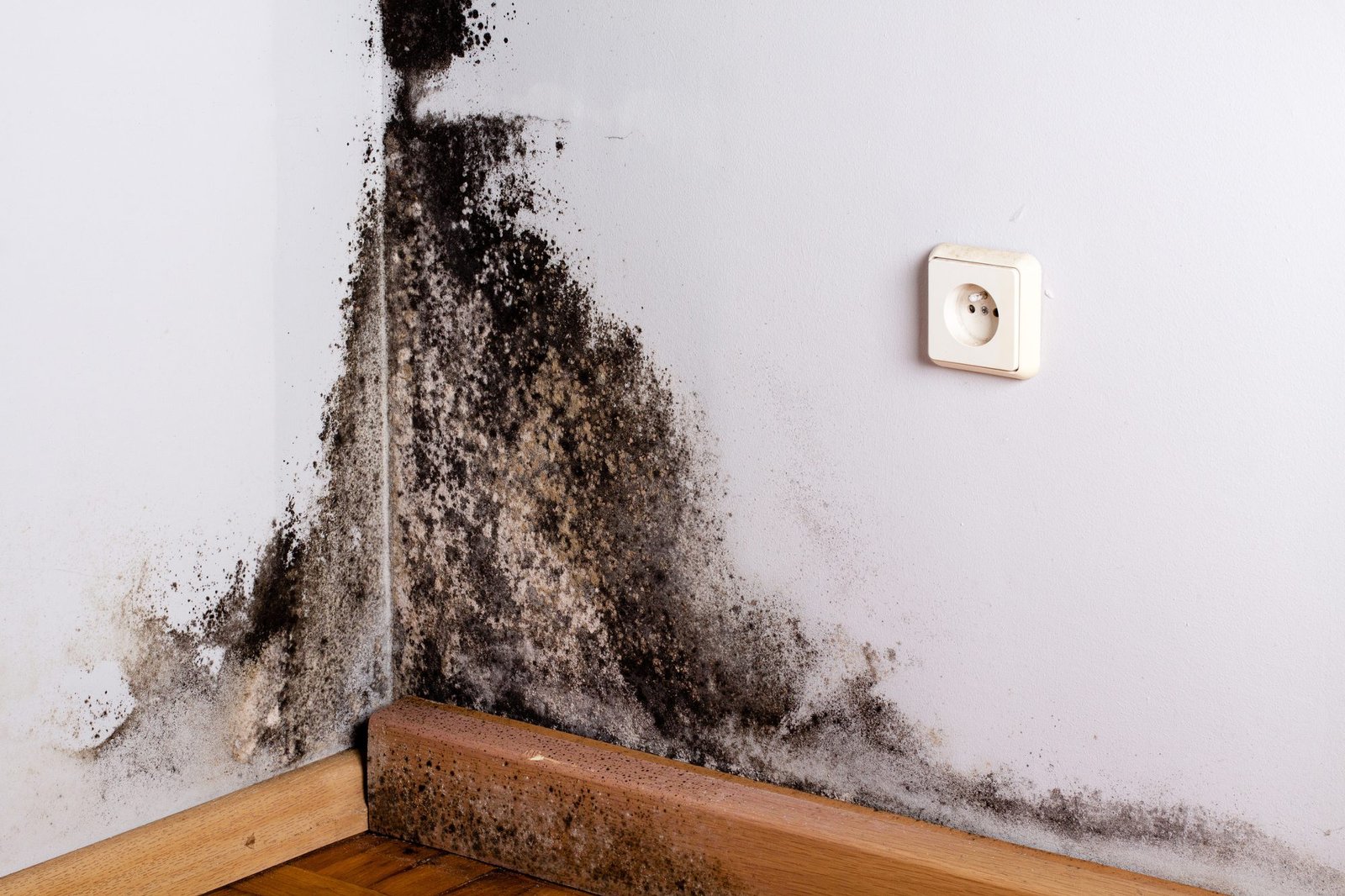
A mold inspection is one of the most important steps you can take to protect your home and health. Proper preparation helps ensure that inspectors can access key areas, gather accurate data, and deliver dependable results. Many homeowners don’t realize that simple steps taken before an inspector arrives can greatly improve the quality of the assessment. This article explains how to prepare your home efficiently and why these steps matter, especially when booking a fast mold inspection service that depends on clear access and accurate environmental conditions.
Why Preparation Matters for Accurate Testing
Preparing your home before an inspection helps ensure that moisture readings, air samples, and visual assessments are as accurate as possible. Any recent cleaning, heavy ventilation changes, or physical obstructions can interfere with the inspector’s ability to locate mold. A fast mold inspection relies on the natural condition of your home to detect potential problem areas. When inspectors can evaluate your home without disruption, they can provide more precise results and a clearer plan of action. Taking a few steps in advance ensures that nothing interferes with the testing equipment or environmental readings.
Clear Access to Key Areas of the Home
Inspectors often need to examine areas such as basements, attics, crawl spaces, HVAC units, under sinks, behind appliances, and around windows. If these areas are blocked by boxes, furniture, or storage items, the inspection may be incomplete or require additional time. Creating a safe and open path allows inspectors to reach moisture-prone areas more efficiently. During a fast mold inspection, time is valuable, so clear access ensures the process remains smooth and thorough. This preparation also allows the inspector to detect hidden issues that could remain unnoticed if certain spaces are inaccessible.
Avoid Cleaning or Disturbing Suspected Mold
Many homeowners feel tempted to clean or wipe visible mold before the inspection. However, this can interfere with sampling and reduce the accuracy of test results. Mold spores may disperse when disturbed, altering air readings and making it harder to determine the true source of the problem. If you have concerns about visible growth, leave the area untouched so the inspector can evaluate it in its natural state. In a fast mold inspection, accurate readings depend on an undisturbed environment, so it is best to avoid cleaning or altering these areas.
Maintain Normal Living Conditions Before the Inspection
To ensure reliable results, it’s important to keep your home’s environment as normal as possible. This means avoiding excessive ventilation changes, such as running air purifiers, humidifiers, or dehumidifiers. These devices can alter humidity levels and affect air sample accuracy. A fast mold inspection depends on capturing your home’s true indoor air quality, so maintaining standard conditions helps inspectors get the most accurate picture. Keeping windows closed for a few hours before the inspection can also help stabilize measurements and make results more reliable.
Gather Information About Recent Issues or Water Events
Before the inspection, it’s helpful to gather details about any recent leaks, water damage, unusual smells, or areas that seem humid. Providing this information to the inspector helps them focus their assessment and identify potential problem zones quickly. Fast mold inspection services are designed to pinpoint issues efficiently, and having background information helps streamline the process. The more the inspector knows about your home’s history and recent events, the more effectively they can evaluate the situation and recommend solutions.