
Introduction
Backlinks are one of the most important elements of digital marketing, yet many people misunderstand their true value. They are not simply links scattered across the internet. Instead, they act as pathways that direct audiences from one site to another, creating a flow of information and attention. The ability of backlinks to generate traffic lies at the core of search engine optimization because they serve as endorsements that improve rankings while also sending real people directly to your site. In other words, backlinks work in two ways: they influence search engines to boost your visibility, and they bring visitors who click on them naturally. To fully understand how backlinks generate traffic, it is essential to explore both of these functions in detail, along with the strategies and challenges involved.
The Role of Backlinks in Search Visibility
Backlinks have been part of Google’s ranking system since its earliest days. The logic is simple: if many websites are pointing to the same source, it is likely to be trustworthy and useful. When Google notices these patterns, it rewards the linked website by pushing it higher in search results. A higher ranking means more visibility, and more visibility translates directly into more traffic. Most internet users do not scroll beyond the first page of search results, which means earning backlinks is one of the most effective ways to reach a larger audience.
Traffic generated through backlinks in search rankings is different from random visits. It is targeted traffic because people who search for related topics are already interested in your field. If your website sells travel accessories and you earn backlinks from well-established travel blogs, Google sees those endorsements and may boost your site for keywords like travel bags or portable chargers. This results in a steady stream of relevant visitors who are more likely to convert.
Referral Traffic Through Backlinks
Beyond search engine rankings, backlinks also generate traffic directly. When someone is reading an article and finds a link pointing to your website, they may click on it out of curiosity or interest. This is known as referral traffic. Unlike traffic from ads, referral traffic feels natural and organic. Visitors arrive on your site because they found your link in a trusted context, which means they are often more engaged.
The quality of referral traffic depends heavily on the context of the backlink. A link from a relevant and respected site tends to drive visitors who are genuinely interested in your products or services. For instance, if a technology website links to your article about software tools, the readers clicking on that link are likely professionals or enthusiasts looking for more information. They are much more valuable than random visitors who stumble upon your site without prior interest.
Over time, referral traffic from backlinks builds brand awareness. When your website keeps appearing as a source in multiple trusted articles, readers begin to recognize your brand as authoritative. This repeated exposure strengthens your reputation and increases the chances of visitors returning in the future, even without clicking a link.
How Backlinks Work as Endorsements
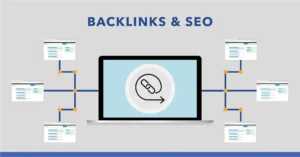
One of the reasons backlinks generate traffic so effectively is that they act as endorsements. When a respected website links to your page, it is essentially telling its audience, “this content is worth your attention.” This kind of trust transfer is powerful because readers are more likely to click on a link when it comes from a source they already follow or respect.
This endorsement effect works on two levels. First, it convinces search engines that your website deserves higher rankings, which brings you more organic traffic. Second, it convinces real people that your website is reliable, which increases the likelihood of referral traffic. It is a combination of machine judgment and human behavior, and backlinks sit at the intersection of both.
The strength of this endorsement depends on the authority of the linking site. A backlink from a small personal blog may bring only a few visitors, while a backlink from a large news outlet can drive thousands of visitors in a single day. In both cases, however, the principle is the same: backlinks generate traffic because they signal trust.
Backlinks and the Compounding Effect
One of the most fascinating aspects of backlinks is their compounding effect. When you earn a backlink from a high-quality website, it does more than generate a one-time boost in traffic. That backlink can continue to send visitors over months or even years as long as the page remains live. Unlike paid ads that stop working once the budget is gone, backlinks provide lasting benefits.
Furthermore, earning one backlink often leads to more. When your website is mentioned by a respected publication, other websites may notice and link to you as well. This creates a snowball effect where backlinks attract more backlinks, amplifying your visibility and traffic. The more you build your authority through backlinks, the easier it becomes to attract even larger and more valuable links in the future.
This compounding effect is why backlinks are considered one of the most sustainable methods of generating traffic. A single backlink from a major website can drive consistent visitors for years, while also improving your long-term search visibility.
Challenges in Generating Traffic Through Backlinks
Although backlinks are powerful for generating traffic, building them is not as simple as placing links anywhere on the internet. Many businesses underestimate the challenges involved. One of the biggest difficulties is earning backlinks from relevant and authoritative websites. Search engines are smart enough to recognize the difference between a natural, high-quality backlink and one that has been manipulated. If backlinks come from irrelevant or low-quality websites, they may generate little to no traffic, and in some cases, they can even harm your rankings.
Another challenge lies in the competition. Every business in your industry is likely trying to earn backlinks from the same popular websites. Editors and website owners receive countless requests for link placements, which means you must provide something truly valuable to stand out. This often requires publishing original research, creating high-quality resources, or building long-term relationships with other site owners.
The time and effort required to build backlinks can also be discouraging for some businesses. While paid advertising can deliver immediate traffic, backlinks take patience. You may need to spend months creating content, reaching out to websites, and waiting for your efforts to bear fruit. However, the long-term rewards of consistent, organic traffic make the investment worthwhile.
Finally, backlinks come with the challenge of maintenance. Over time, websites change their content, remove pages, or shut down entirely. This can cause some of your backlinks to disappear. To sustain traffic, you must continually monitor your backlink profile and replace lost links with new ones.
Backlinks and the User Experience
Backlinks not only influence traffic but also impact the user experience. When a reader clicks a backlink, they expect the destination to provide relevant and valuable content. If your website delivers on that expectation, visitors are more likely to stay longer, explore more pages, and possibly make a purchase. If the content does not match their expectations, however, they may leave immediately, which increases your bounce rate.
The best backlinks are those that create a seamless journey for the reader. For example, if someone is reading a blog about healthy recipes and finds a backlink to your website offering detailed nutritional advice, they will likely feel satisfied with the transition. On the other hand, if the link takes them to a page about unrelated products, the experience feels misleading.
Search engines measure these user signals, such as time spent on site and bounce rates, to evaluate the value of backlinks. A link that generates traffic but quickly frustrates visitors may not be as valuable as one that brings fewer but more engaged readers. Therefore, focusing on relevance and user satisfaction is just as important as acquiring backlinks in the first place.
Case Studies of Referral Traffic Growth

Real-world examples show how backlinks can dramatically increase website traffic. Consider a small e-commerce brand that specializes in eco-friendly packaging. At first, the company struggled to gain visibility in search results because larger competitors dominated the rankings. After publishing a research-based article on sustainable packaging trends and reaching out to environmental blogs, the company earned several backlinks from authoritative sources. Within six months, their organic traffic doubled, largely due to improved search rankings and consistent referral visitors from those blogs.
Another case can be seen in the world of online education. An educational platform that provided free coding tutorials managed to earn backlinks from a few prominent technology news sites. These backlinks not only improved their ranking for competitive keywords like coding tutorials but also brought direct traffic from readers of those news outlets. Over time, the steady flow of referral traffic helped establish the platform as a trusted learning resource, leading to long-term growth.
Even individual bloggers benefit from backlinks. A travel blogger who shared detailed guides about off-the-beaten-path destinations once received a backlink from a major travel magazine. That single link led to thousands of new readers in the first month and continued to bring in daily visitors years later. Stories like these highlight the lasting impact backlinks can have when they come from the right sources.
The Future of Backlinks in Traffic Generation
The role of backlinks in generating traffic is likely to evolve, but they will remain important for years to come. Search engines are constantly refining their algorithms to better understand user intent and content quality, yet backlinks continue to be a strong signal of trust and authority. While their influence may shift, they will not disappear entirely.
One key trend is the emphasis on relevance over quantity. In the past, having a large number of backlinks could be enough to boost your rankings. Today, search engines focus more on whether those backlinks come from trusted and relevant websites. This means businesses must be strategic about where they earn backlinks, targeting only those opportunities that genuinely align with their niche.
Another trend is the integration of backlinks with other forms of online visibility, such as social media mentions and brand partnerships. While social signals are not direct ranking factors, they can amplify the reach of your content, increasing the chances of earning backlinks naturally. In the future, a well-rounded approach that combines backlinks with other visibility strategies will likely be the most effective way to generate traffic.
Additionally, as artificial intelligence becomes more advanced, search engines may rely less on the raw number of backlinks and more on the context of each link. This shift will encourage businesses to focus on creating truly valuable content that earns backlinks organically rather than chasing quick link-building schemes.
Final Thoughts
Backlinks remain one of the most powerful ways to generate traffic because they combine two critical functions. They improve your visibility in search results, leading to steady organic traffic, and they send direct referral visitors from trusted websites. This dual effect makes backlinks unique compared to other marketing strategies, which often provide either short-term or one-dimensional results.
While building backlinks comes with challenges such as competition and time investment, the long-term benefits far outweigh the difficulties. A single high-quality backlink can bring years of consistent traffic while enhancing your brand authority. By focusing on relevance, user experience, and high-value content, businesses can harness backlinks not just as technical tools but as bridges that connect them to engaged, interested audiences.
As the digital landscape evolves, backlinks will continue to adapt, but their role in traffic generation will remain significant. Businesses that invest in smart backlink strategies today will enjoy stronger visibility, higher credibility, and a steady flow of visitors tomorrow. In essence, backlinks are not just links; they are pathways that lead people to discover, trust, and engage with your brand.